
Varroa Mite Testing: A Crucial Responsibility for Every Beekeeper

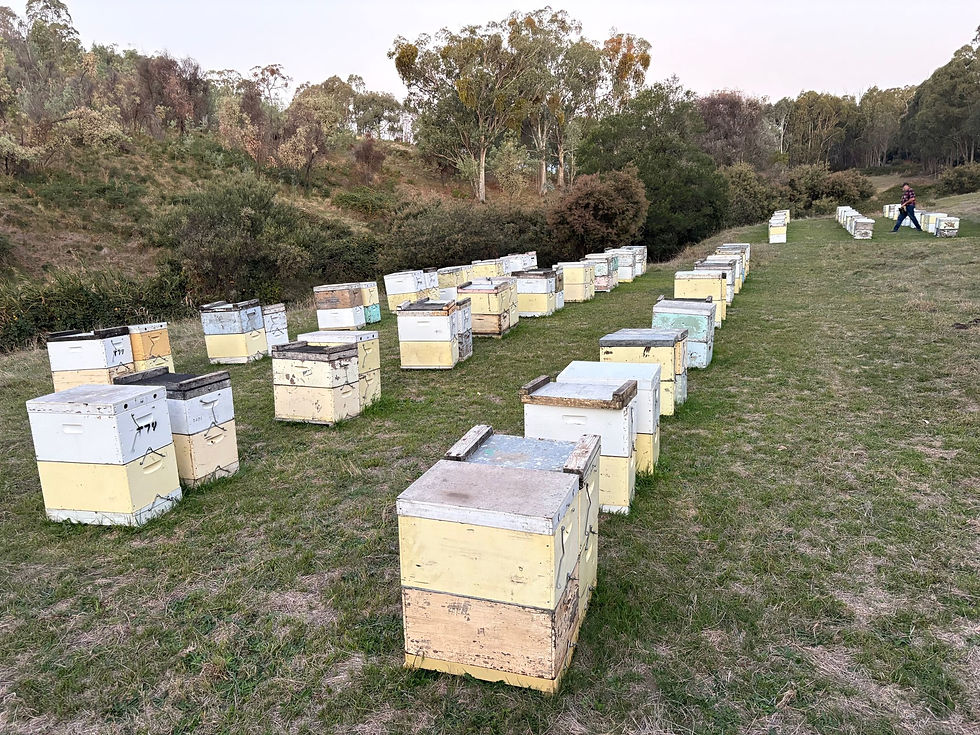
Last month, we visited a fellow interstate apiarist in an area that, according to the Varroa mite heat map, seemed mite free. The apiarist was convinced he also had no infestation .
After insisting on a Varroa test and watching test to determine the presence of Varroa in the apiary, it became clear they were unfamiliar with how to properly conduct it. They invited us to perform the test instead.
A Varroa mite test was conducted as per the described protocol and even after a few shakes of the sample the Varroa Mite was clearly present in the sample. Subsequent tests on several other hives confirmed the presence of mites across multiple colonies.
Which is of concern is that the apiarist actively markets and sells colonies (nucleus and mature hives) to beekeepers across Australia in the preceding months. The implications of this is deeply concerning—not just for the individual buyers, but for our broader beekeeping community and biosecurity.
This incident underscores an urgent and ongoing message:
Following the proven testing protocol on a regular basis isn’t optional—it’s a legal and ethical responsibility.
Why It Matters
With Varroa now present in Australia, early detection and biosecurity control measures are essential to slowing its spread. In Victoria, as in other Australian states, beekeepers are legally required to:
Conduct regular Varroa mite surveillance using approved methods.
Report any suspected or confirmed Varroa infestations to Agriculture Victoria or the national Exotic Plant Pest Hotline (1800 084 881).
Comply with hive movement restrictions when required, following quarantine protocols for wild swarming colonies, and management plans outlined under state and national biosecurity regulations.
Failure to follow these obligations doesn’t just risk your own hives—it compromises the health and sustainability of the entire honey and pollination industry.
Key Takeaways for Every Beekeeper
While destructive to colonies, Varroa testing should form an integral part of husbandry practices and treatment should be considered as part of ongoing hive maintenance
Know how to test—and do it regularly. Don't wait until you're selling or moving hives. Test proactively and frequently.
If you're unsure, ask. There are many experienced beekeepers and organisations ready to help. There is no shame in learning—only in risking harm by not trying.
Quarantine all new hives. Regardless of the source, isolate and monitor any new colonies before integrating them with your own.
Be honest with others. Whether you're sharing bees, mentoring, or selling nucs—transparency is critical.
Stay informed. Biosecurity guidelines can change rapidly in response to outbreaks. Make sure you're up to date with your state’s specific requirements.
The spread of Varroa isn’t just a personal issue—it’s a national challenge that requires community-wide vigilance and cooperation.

Good article. I have seen quite a few discussions about this subject recently, and I found another useful source: https://infowomenspace.com. Leaving it here as an additional reference.